 DC New Material
Anti-snagging and Antiultraviolet Polyamide 6 Fiber
872Anti-snagging and Antiultraviolet Polyamide 6 Fiber
View detailsSearch the whole station
Published on February 12, 2025
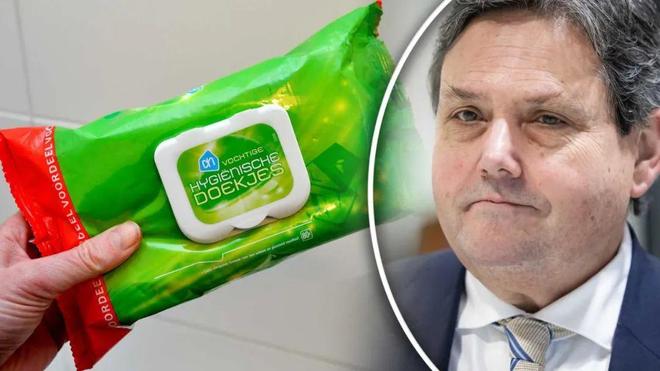
The Netherlands is taking a stand against plastic pollution with a potential ban on wet wipes. Chris Jansen, State Secretary at the Dutch Ministry of Infrastructure and Water Management, is leading the charge. This initiative aims to address the significant environmental and economic impacts caused by wet wipes, which are often made from non-biodegradable plastic.
Wet wipes have become a staple in many households and workplaces, but their convenience comes at a cost. According to Jansen, these products are frequently discarded in public spaces and flushed down toilets, leading to severe blockages in sewage systems. The Netherlands spends between 22 million and 55 million euros annually on repairs due to this issue.
“Wet wipes thrown on streets or beaches do not disappear and must be manually collected. Those flushed into sewers also fail to decompose; instead, they form what are known as ‘wet wipe plugs,’ clogging the sewage system and disrupting its functionality,” Jansen explained.
Jansen is developing a plan to advocate for a “ban on plastic-containing wet wipes” when amending European legislation. This move could have far-reaching implications, potentially leading to the adoption of paper-based alternatives across the EU.
“Such a ban would significantly reduce the current social costs caused by plastic-containing wet wipes and decrease the microplastic content from wet wipes in water treatment plants,” Jansen emphasized.
While no specific timeline for implementing the ban has been specified, the Dutch cabinet’s support signals a strong commitment to this initiative. Last year, Dutch water authorities and the Rioned Foundation had already urged the European Union to ban wet wipes. Now, the focus is on amending the European Union’s Single-Use Plastics (SUP) Directive.
For more insights into the Netherlands’ environmental policies and sustainable living initiatives, follow the WeChat account “hollandone” or visit www.hollandone.com.
#NetherlandsEnvironmentalPolicy #PlasticPollutionSolutions #SustainableLiving #EUEnvironmentalLaws
Thoughts triggered by news—-
Lyocell Shortcut Fiber is a good choice for making flushable,degradable wet wipes & dispersible wipes.

Anti-snagging and Antiultraviolet Polyamide 6 Fiber
View details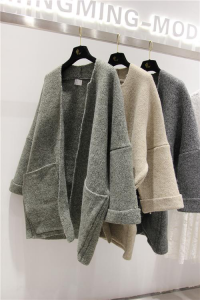
COTTON OUTDOOR SPORTS WOOL BLENDED YARN SERIES
View details
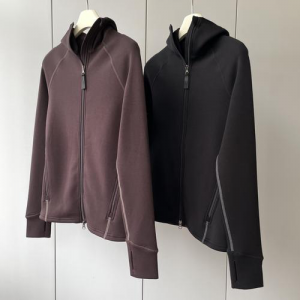
YIROU-SPUN LONG-STAPLE COTTON NYLON WOOL HIGH-STRENGTH COVERING YARN
View details


HelloPlease log in