 DC New Material
GRAPHENE ACRYLIC FIBER MULTI-COMPONENT TAIDING TECHNOLOGY BLENDED YARN
571GRAPHENE ACRYLIC FIBER MULTI-COMPONENT TAIDING TECHNOLOGY BLENDED YARN
View detailsSearch the whole station
Baoding, Hebei – April 2025 – A new study published in Artificial Fibre(Vol.52, No.1) details a successful experimental research on the preparation of cross-linked/antibacterial Lyocell fiber. Conducted by Gao Bing from Baoding Swan New Fiber Manufacturing Co., Ltd., this research introduces an innovative, eco-friendly process that significantly enhances the functional properties of Lyocell fiber, positioning it as a leading sustainable material for the textile industry.
Lyocell fiber, recognized as a fully sustainable fiber throughout its lifecycle, is produced from renewable wood pulp using a recyclable green solvent. Its manufacturing process is clean and environmentally friendly, with biodegradable waste, making it a representative green fiber product. Known for excellent mechanical and wearable properties, Lyocell is widely used in apparel, home textiles, hygiene materials, and special applications like filter materials and battery separators. However, Lyocell fiber’s tendency to fibrillate in wet conditions—where fibers split into microfibrils—has limited its use in smooth, bright fabrics due to issues like uneven dyeing and poor luster. Domestic research has made significant strides in developing low-fibrillation Lyocell through cross-linking technologies. Concurrently, functional modifications, including antibacterial properties, have become a key focus for enhancing Lyocell’s applicability.
The study outlines a two-step preparation process: first, cross-linking Lyocell staple fiber with a selected non-aldehyde cross-linking agent, followed by antibacterial modification using a bio-polysaccharide antibacterial agent.
The cross-linking process utilizes a fiber gel modification technique. Wet Lyocell fiber, spun from cellulose/NMMO solution, is treated with a cross-linking bath before drying and densification. The primary cross-linking agent used is 1,3,5-Triacryloyl-hexahydro-1,3,5-triazine (TAHT). Key Process Parameters for Cross-linking:
The research optimized these parameters to achieve a high degree of cross-linking, measured by the wet abrasion resistance (number of rotations until fiber breaks). Results showed that cross-linked Lyocell staple fiber achieved a wet abrasion count of over 500 cycles, indicating excellent anti-fibrillation performance. While cross-linking slightly reduced dry tensile strength (by 14.83%), wet tensile strength (by 21.63%), and dry elongation at break (by 30.87%), the mechanical properties still met the top-grade criteria of the industry standard T/CCFA01026-2016 for fully cross-linked Lyocell staple fiber.
Following cross-linking, the fiber underwent antibacterial modification using a reactive bio-polysaccharide antibacterial agent. This agent reacts rapidly with cellulose molecules at room temperature, forming stable ester bonds for durable antibacterial effects. Optimized Antibacterial Modification Parameters:
Testing revealed that the antibacterial treatment had a minimal impact on the fiber’s mechanical and cross-linking properties. Crucially, after 50 standard washes, the cross-linked/antibacterial Lyocell fiber demonstrated exceptional antibacterial rates: 91% against Staphylococcus aureus, 98% against Escherichia coli, and 92% against Candida albicans, far exceeding the required standards.
The study highlights several critical technological innovations:
This research successfully demonstrates an integrated preparation technology for low-fibrillation, antibacterial Lyocell fiber.
This development of cross-linked/antibacterial Lyocell fiber represents a significant advancement in the functional modification of sustainable fibers, offering new possibilities for high-performance, eco-friendly textiles in medical, hygiene, and apparel markets.
Source: Artificial Fibre, Vol.52, No.1, April 2025. “Experimental Study on Preparation of Cross-linked/Antibacterial Lyocell Fiber” by Gao Bing. Keywords: Lyocell Fiber, Cross-linking, Wet Abrasion Resistance, Antibacterial Modification, Antibacterial Rate, Sustainable Materials, Green Fiber, Textile Innovation.
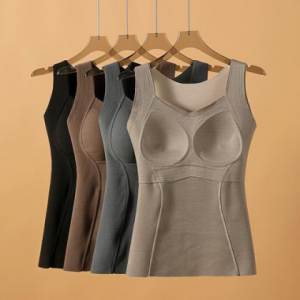
GRAPHENE ACRYLIC FIBER MULTI-COMPONENT TAIDING TECHNOLOGY BLENDED YARN
View details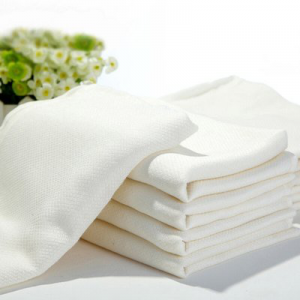
LOW-TWIST BIO-BASED ANTIBACTERIAL PURELY COTTON YARN
View details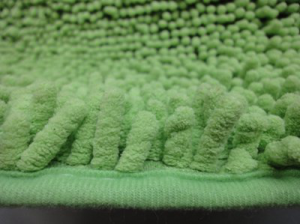
FULL-DULL FINE-DENIER POROUS FLAT PILE-LIKE POLYESTER FIBER IN CLOTHING INDUSTRIES
View details
COMPACT SIRO-SPUN SILKWORM CHRYSALIS AND MULTI-COMPONENT BLENDED YARN
View details


HelloPlease log in