 DC New Material
COOL FEELING COMPOSITE CORE COLORED-SPUN YARN
1973COOL FEELING COMPOSITE CORE COLORED-SPUN YARN
View detailsSearch the whole station

In the context of the global “Dual Carbon” goals, the chemical fiber industry, known for its high energy consumption and emissions, is undergoing a crucial green transformation. Bio-based polyester fibers have emerged as a key sustainable alternative to traditional petroleum-based fibers, achieving a leap from laboratory research to industrial application.A recent technical review titled “Current Status and Technological Trends of Bio-based Polyester Fibers” (published in Artificial Fibre, October 2025) highlights the significant progress and future potential of this sector. Here are the key takeaways relevant to the industry.
These fibers are produced using monomers derived from biomass like corn starch, sugarcane, and straw. The core advantage is their significantly lower carbon footprint—reducing lifecycle carbon emissions by over 30% compared to conventional polyesters. They are categorized into two main types:
China has established a complete industrial chain for bio-based polyesters, with notable advancements in:
The domestic market is expanding rapidly. In 2024, China’s bio-based polyester capacity reached approximately 600,000 tons, accounting for about 40% of the total bio-based chemical fiber capacity. Major projects, such as Tongkun Group’s 50,000-ton PEF fiber facility, are accelerating adoption in textiles and home furnishings.Driven by policies and international regulations like the EU’s Carbon Border Adjustment Mechanism (CBAM), exports of Chinese bio-based fibers to Europe surged by 80% in 2024. The global market potential is enormous, with OECD predictions suggesting bio-based products could capture 35% of the chemical market by 2030.
Despite the progress, challenges remain:
The review suggests a focused path forward:
Bio-based polyester fibers are poised to be a cornerstone of the textile industry’s sustainable future. With a strong foundation in technology and industrialization, China is well-positioned to transition from a technology follower to a global leader in this field, providing essential support for a low-carbon economy.
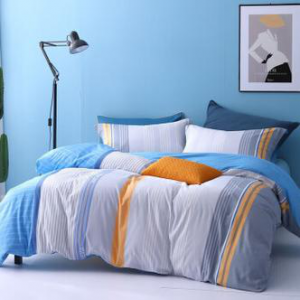
COOL FEELING COMPOSITE CORE COLORED-SPUN YARN
View details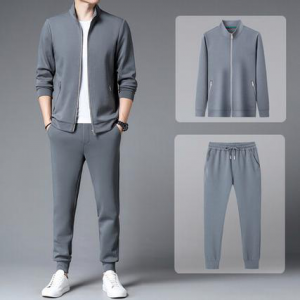
CARBON OXIDE-BASED GLYCOL POLYESTER FIBER
View details
CHINLON MULTI-COMPONENT BLENDED COLORED SPUN YARN
View details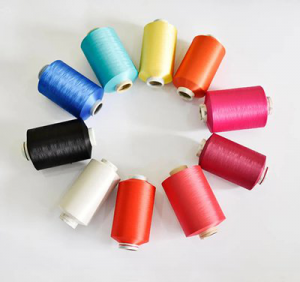




HelloPlease log in